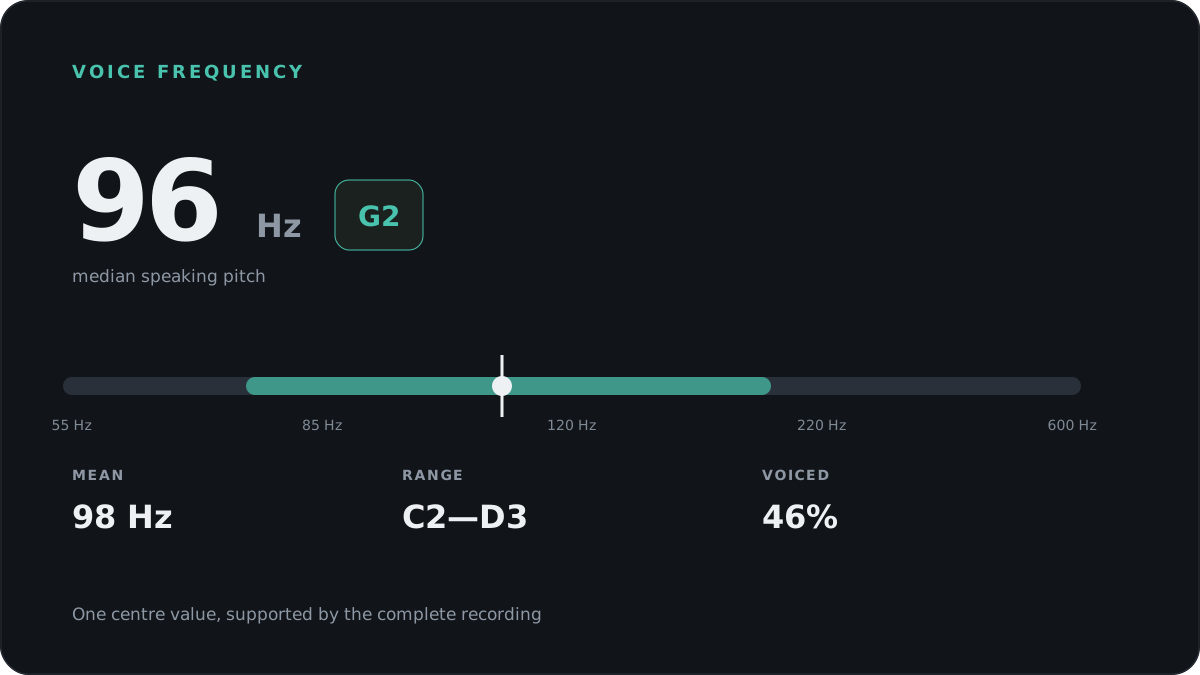
What does a voice frequency number mean?
A result such as 112 Hz means the detected vocal-fold pattern repeated about 112 times per second during the centre of the recording. Human speech is not a fixed tone, so the contour moves continuously and includes unvoiced consonants where no F0 should be reported.
VoiceScope uses the median of accepted frames as the primary value because it resists isolated extremes.
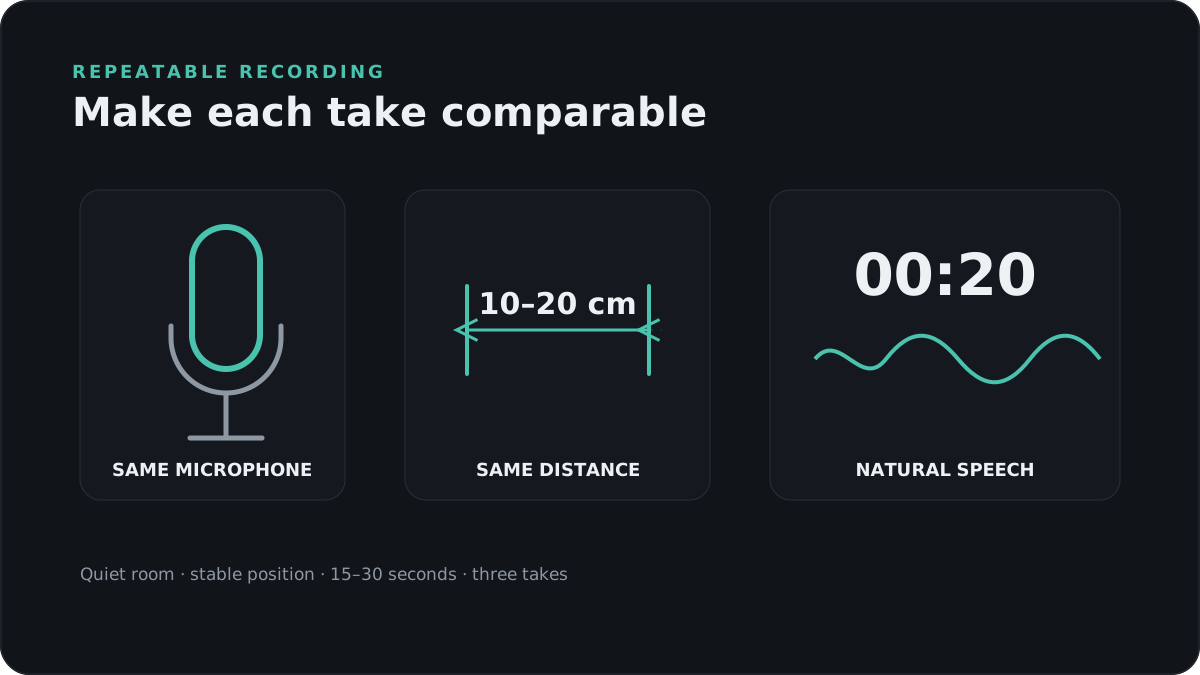
A repeatable test protocol
- Wait until your voice feels normal rather than measuring immediately after waking.
- Use the same microphone, room, distance, and reading passage.
- Record 15–30 seconds at a comfortable volume.
- Run three attempts and compare the medians and spreads.
Interpreting ranges carefully
Population ranges overlap. Age, anatomy, language, emotion, medication, fatigue, microphone conditions, and speaking task can all change F0. Descriptive bands are references, not quality scores or diagnoses.
Use the history for within-person comparison under similar conditions; that is usually more meaningful than comparing one attempt with a broad population label.